Recognizing Equine Lameness: Fall Prevention and Telehealth Triage

Recognizing Equine Lameness: Fall Prevention and Telehealth Triage
As autumn settles over North Carolina, many horse owners are eager to enjoy cooler days and crisp rides across the changing landscape. Yet, with this seasonal shift comes a new set of challenges for maintaining your horse’s soundness and mobility. Recognizing the early signs of lameness and understanding when to seek advanced equine veterinary support can mean the difference between a quick recovery and a lingering problem that affects your horse's long-term performance and comfort. At Clarina Equine Remote Consulting, we are dedicated to helping horse owners in North Carolina and surrounding communities protect their horses’ health through expert telehealth services, including lameness evaluation, emergency triage, and specialized sports medicine consults.
In this guide, you will learn how to spot subtle and more obvious signs of lameness in your horse, especially as fall introduces new footing and environmental factors. You’ll discover why timely action is essential, what information you should gather for a productive telehealth triage session, and how remote consultations can support you in making informed decisions for your horse’s well-being. Whether your horse is a high-performance athlete, a broodmare, or your trusted trail companion, being proactive with fall lameness prevention and knowing when to consult a specialized equine vet can help ensure a safe and successful season ahead.
Identifying Lameness in Horses: Early Signs Every Owner Should Know
Horses are masters at masking discomfort, but subtle changes can signal the beginning of a lameness issue. Recognizing these early signs is vital for preventing minor problems from escalating. You may notice your horse is slightly off at the trot, appears less willing to move forward, or shows an uneven gait when transitioning between surfaces. Other indicators include head bobbing, a shortened stride, or a reluctance to pick up a specific lead under saddle. In the barn, your horse might shift weight frequently, rest one limb more than usual, or seem less interested in turnout and exercise.
Environmental factors unique to fall, such as wet leaves creating slippery footing or sudden temperature changes causing joint stiffness, can exacerbate minor issues. For performance horses, even subtle stiffness or a loss in impulsion may impact training and competition results. Broodmares, older horses, and those with a history of joint disease may be at increased risk for lameness flare-ups as the weather turns cooler. Observing your horse’s daily routine and being attentive to slight deviations in behavior or movement are the first steps toward timely intervention.
Understanding the Causes: Why Lameness Surfaces in the Fall
Lameness is a symptom rather than a diagnosis, and its underlying causes can range from acute injuries to chronic musculoskeletal conditions. In the fall, shifting weather patterns, damp pastures, and changing exercise routines can all contribute to increased risk. Common causes include soft tissue injuries like strains or sprains, hoof abscesses brought on by wet ground, and flare-ups of chronic joint issues such as arthritis or navicular syndrome. For horses working on variable terrain or transitioning from summer turnout to more intensive arena work, muscle fatigue or minor ligament strains may occur.
Additionally, the onset of cold, wet weather can stiffen joints, especially in older horses or those with previous orthopedic injuries. Horses coming back into more regular work after a lighter summer schedule may experience soreness related to conditioning gaps. Poor hoof balance, uneven shoeing, or undetected cracks can also predispose your horse to lameness as environmental moisture softens the hoof wall. Recognizing these risk factors and understanding your horse’s individual vulnerabilities is crucial for effective prevention and swift management.
If you are dealing with complex performance issues or require an in-depth evaluation of musculoskeletal function, our sports horse medicine services offer comprehensive support for equine mobility and soundness.
Professional Evaluation: How Telehealth Triage and Advanced Diagnostics Support Your Horse
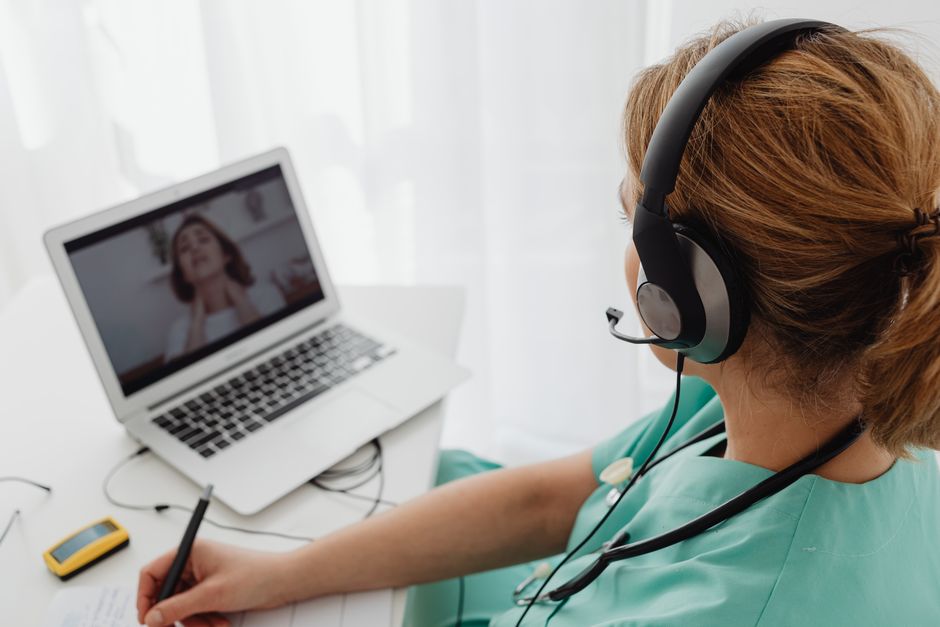
When you suspect lameness, early intervention is key to minimizing downtime and preventing further injury. Clarina Equine Remote Consulting provides 24/7 access to specialized telehealth triage, allowing horse owners to consult with experienced equine veterinarians from the comfort of their barn or arena. During a remote triage session, you will be guided through a structured evaluation process—sharing video footage, photos, and a detailed history to help our team assess the urgency of your horse’s condition.
Depending on your horse’s presentation, we may recommend targeted diagnostic steps such as focused palpation, hoof testing, or flexion tests performed under our direction. For more complex cases, we can advise on the value of advanced imaging such as digital radiology or equine ultrasound to pinpoint the source of pain and inform treatment decisions. Our remote consultations are designed to connect you with the right level of care, whether that means at-home management, referral for in-person diagnostics, or urgent surgical intervention.
For ongoing issues or chronic performance concerns, our equine orthopedic services provide in-depth analysis and management strategies tailored to each horse’s needs. By leveraging telehealth, you gain immediate access to advanced expertise, ensuring your horse receives timely, evidence-based recommendations.
Proactive Steps: Fall Lameness Prevention for Horse Owners
While not all lameness can be prevented, there are practical steps you can take each fall to minimize your horse’s risk and support overall soundness. Consistent exercise routines help maintain joint health and muscle conditioning, while regular monitoring of footing conditions in pastures and arenas can reduce the likelihood of slips or soft-tissue injuries. Check your horse’s hooves daily for signs of bruising, cracks, or embedded debris, and schedule routine farrier care to maintain proper balance and support.
Nutritional support tailored to your horse’s workload and age can aid in maintaining optimal body condition and joint health. For horses with a history of joint disease or previous injuries, consider additional joint supplements, as advised by your equine veterinarian, and manage turnout to avoid excessive time on wet, uneven ground. Monitoring your horse’s weight, adjusting blanket use as temperatures fluctuate, and observing for any stiffness when moving out of the stall each morning are all important preventive measures.
If you are uncertain about your horse’s risk factors or wish to develop a tailored fall management plan, our team offers general horse health consultations to support your horse’s year-round well-being.
When to Seek Advanced Equine Veterinary Care
Deciding when to consult a specialized equine veterinarian is one of the most important decisions you will make as a horse owner. Immediate telehealth triage is warranted if your horse is acutely non-weight bearing, exhibits severe swelling, has wounds near joints or tendons, or demonstrates signs of systemic illness such as fever or depression. If lameness is persistent, worsens with exercise, or is accompanied by behavioral changes like refusal to move or sudden irritability, prompt professional evaluation is essential.
For performance horses, any unexplained drop in performance, short-striding, or reluctance to engage should be discussed with an equine sports medicine specialist. Chronic, low-grade lameness that resists standard management may benefit from advanced diagnostics and orthopedic expertise. Telehealth consultations allow for rapid triage, helping you determine whether your horse can be safely managed at home, requires urgent referral, or needs advanced imaging and intervention.
For more information on how our 24/7 emergency equine triage works and what to expect during a session, please review our emergency equine triage services and the tele-triage agreement before reaching out.
Making the Most of Your Telehealth Session: What to Prepare
To ensure a productive remote consultation, gather key information ahead of your telehealth session. Document your horse’s baseline movement with a short video at the walk and trot on a straight line and, if possible, under saddle. Note any recent changes in your horse’s routine, turnout, diet, or training intensity. Be prepared to describe when and how you first noticed the lameness, any recent injuries, and any steps you have already taken such as cold hosing or stall rest.
Having up-to-date records of your horse’s farrier schedule, previous lameness history, and any current medications or supplements can also aid in accurate assessment. If you have access to digital thermometers or hoof testers, these tools can provide additional valuable information during your virtual triage session. Your proactive preparation helps our veterinary team deliver precise recommendations and ensures your horse receives the most effective care.
Supporting Equine Mobility and Health Throughout the Fall
Autumn in North Carolina is a beautiful season to enjoy with your horse, but it also requires attentive management to navigate the unique risks that come with changing weather and footing. By recognizing early signs of lameness, understanding the common fall-related causes, and taking preventive steps in your daily barn routine, you can safeguard your horse’s comfort and performance. With the support of Clarina Equine Remote Consulting’s specialized telehealth services, you have direct access to expert equine veterinary care, advanced diagnostics, and performance medicine without leaving your farm.
If you are searching for an "equine vet near me" to help with lameness concerns, performance evaluation, or seasonal health planning, our team is here to guide you every step of the way. Reach out to Clarina Equine Remote Consulting for 24/7 remote support; our veterinary professionals are committed to helping you and your horse achieve the healthiest, most successful season possible. To learn more about our services or to schedule a telehealth triage session, visit our emergency equine triage page or call us at (910) 787-1287. For general health consultations or to explore our advanced sports medicine capabilities, browse our general horse health consultations and sports horse medicine services online.
Your horse’s soundness and well-being are our priority. Take action early this fall—protect your horse, and ride with confidence all season long.